Blanks or Private Label? Choosing Your First Activewear Order
"Private label" is used to describe three completely different businesses, and the confusion costs first-time buyers months. Here is what each tier actually delivers, what it costs in time, and the sequence most successful small brands end up following.
Ask five suppliers what private label means and you will get five answers. One means "we sew a label with your name into our stock garment". Another means "we develop your pattern from a tech pack". A third means "we print your logo on a blank we buy from someone else". All three call it private label, and only one of them is a manufacturing project.
The useful way to think about it is as three tiers, ordered by how many things about the garment you control.
Tier 1 — blanks: you change nothing but the quantity
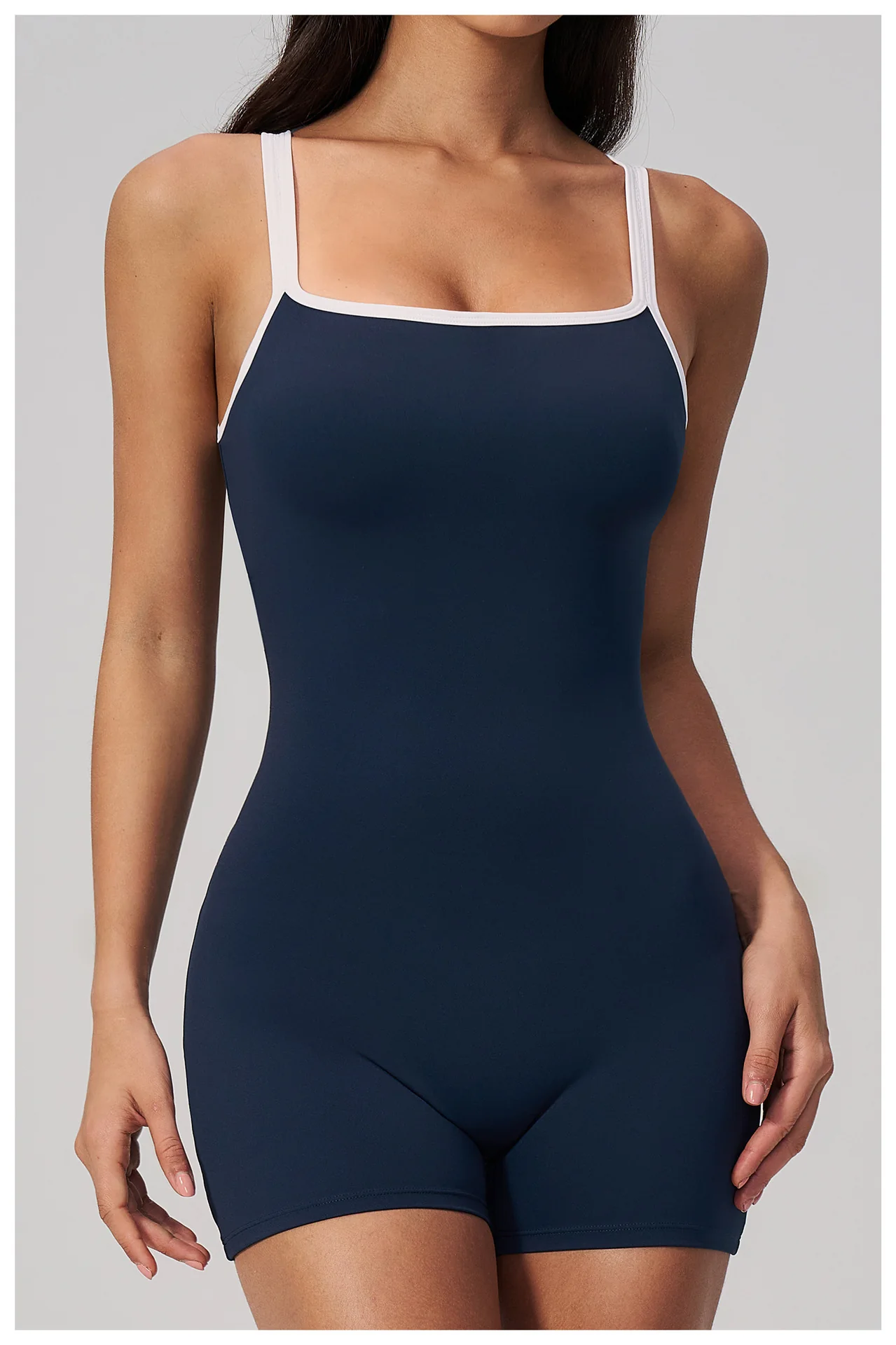
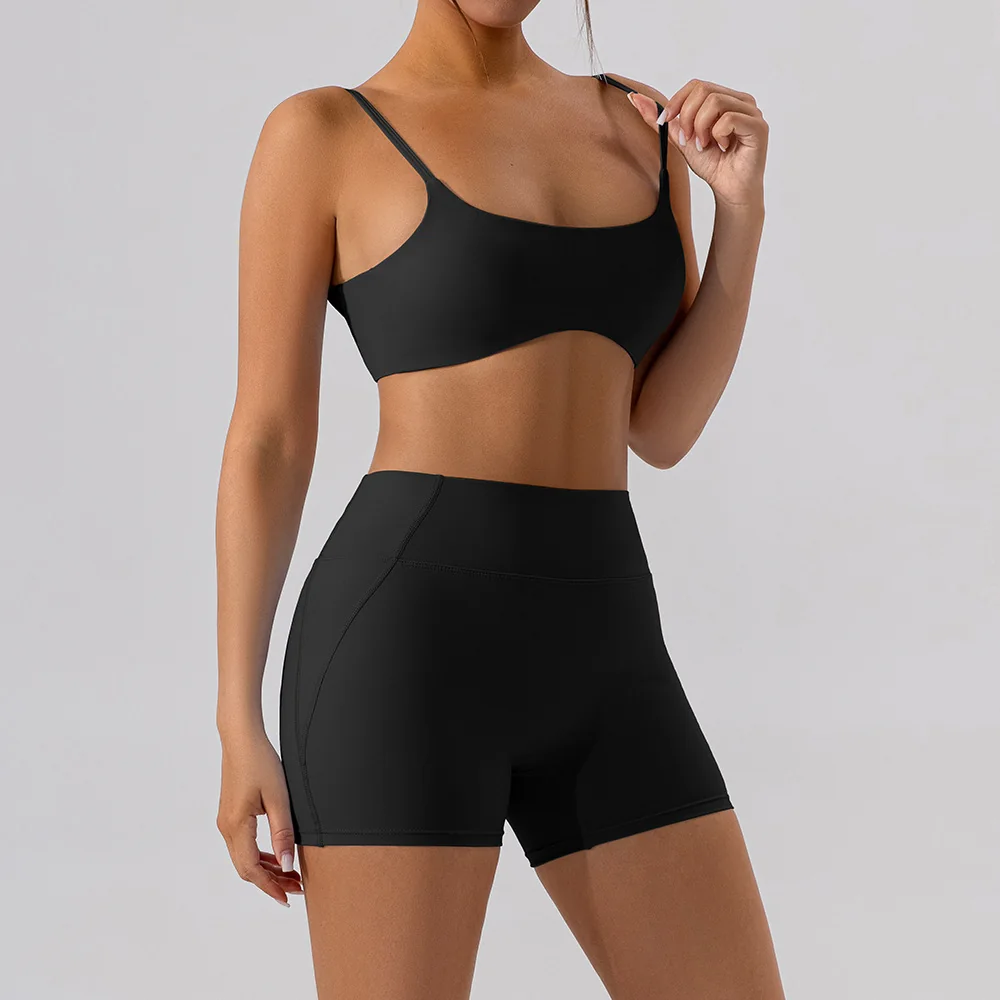
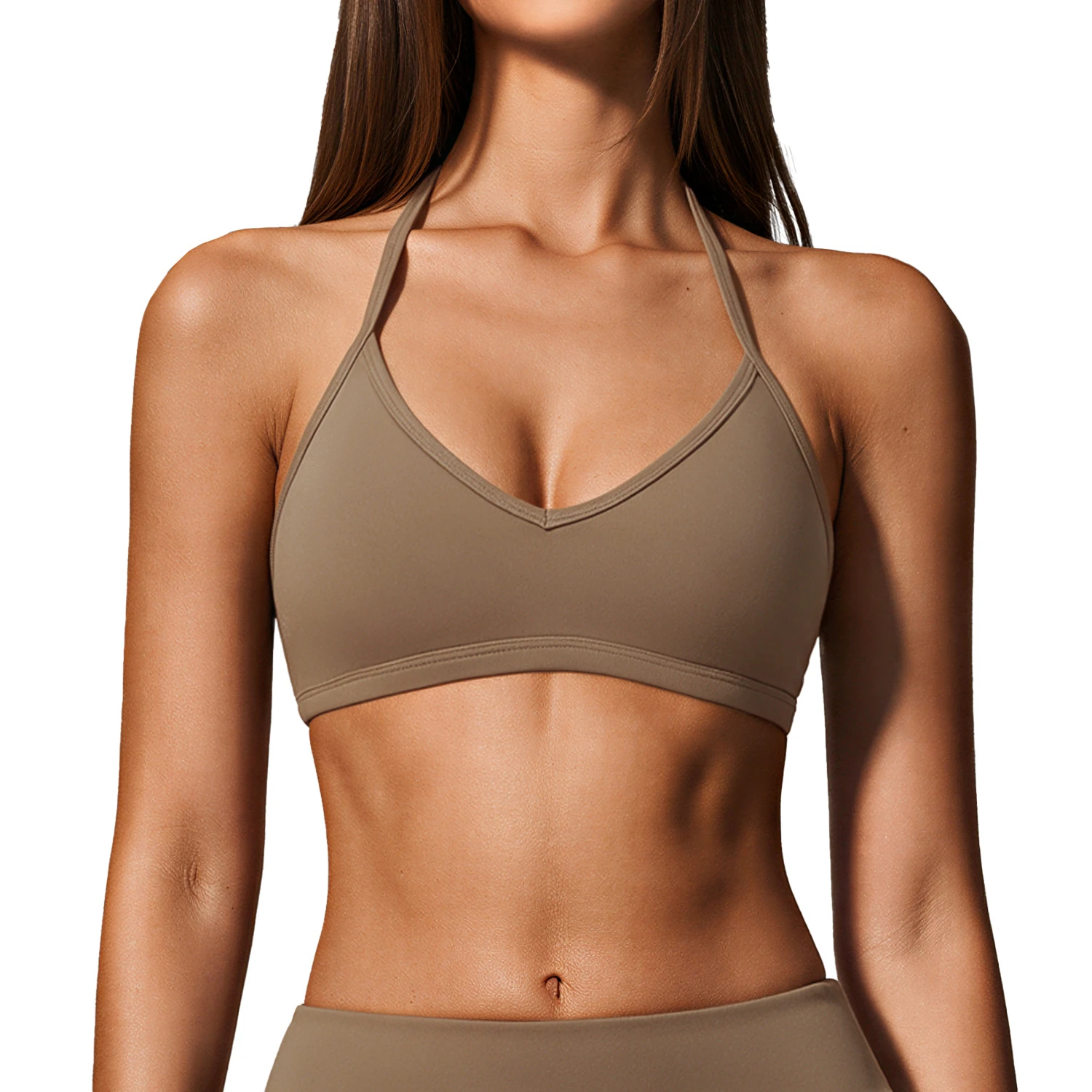
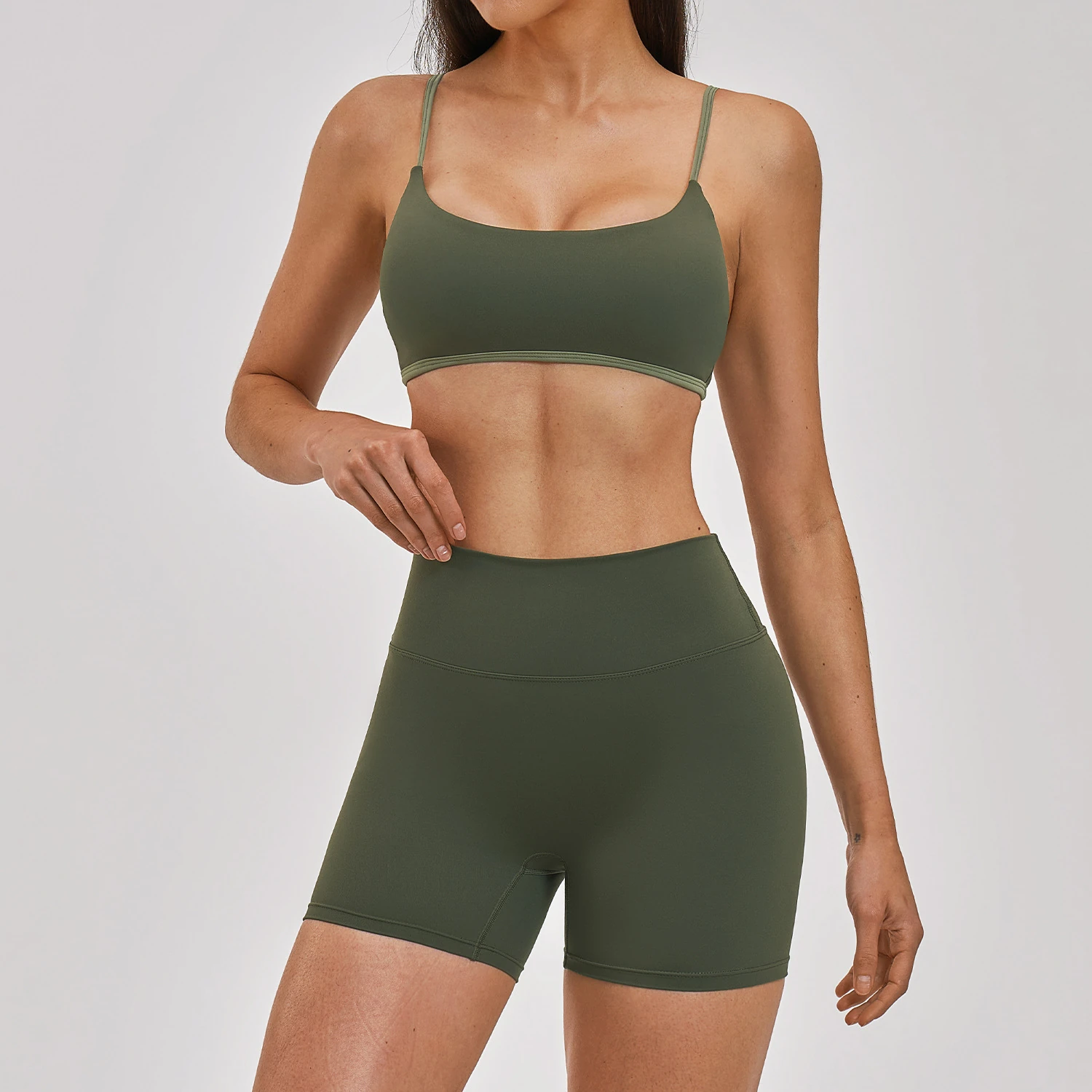
A blank is a finished, stocked garment with no branding. You choose the style, the colour and the sizes; you get the garment as designed, usually in a polybag with a stock care label. No minimum in our programme, which means you can order one piece to feel the fabric before committing to anything.
Blanks are the right answer when you are still deciding whether the product deserves to exist. They are also the right answer when you need product in hand for a photoshoot, a market stall, or a pre-order page — the fastest legitimate way to test demand without a branding spend. What they are not is a brand: a garment with no mark on it cannot be differentiated from the same garment sold by the studio down the road.
Tier 2 — light customization: same garment, your mark
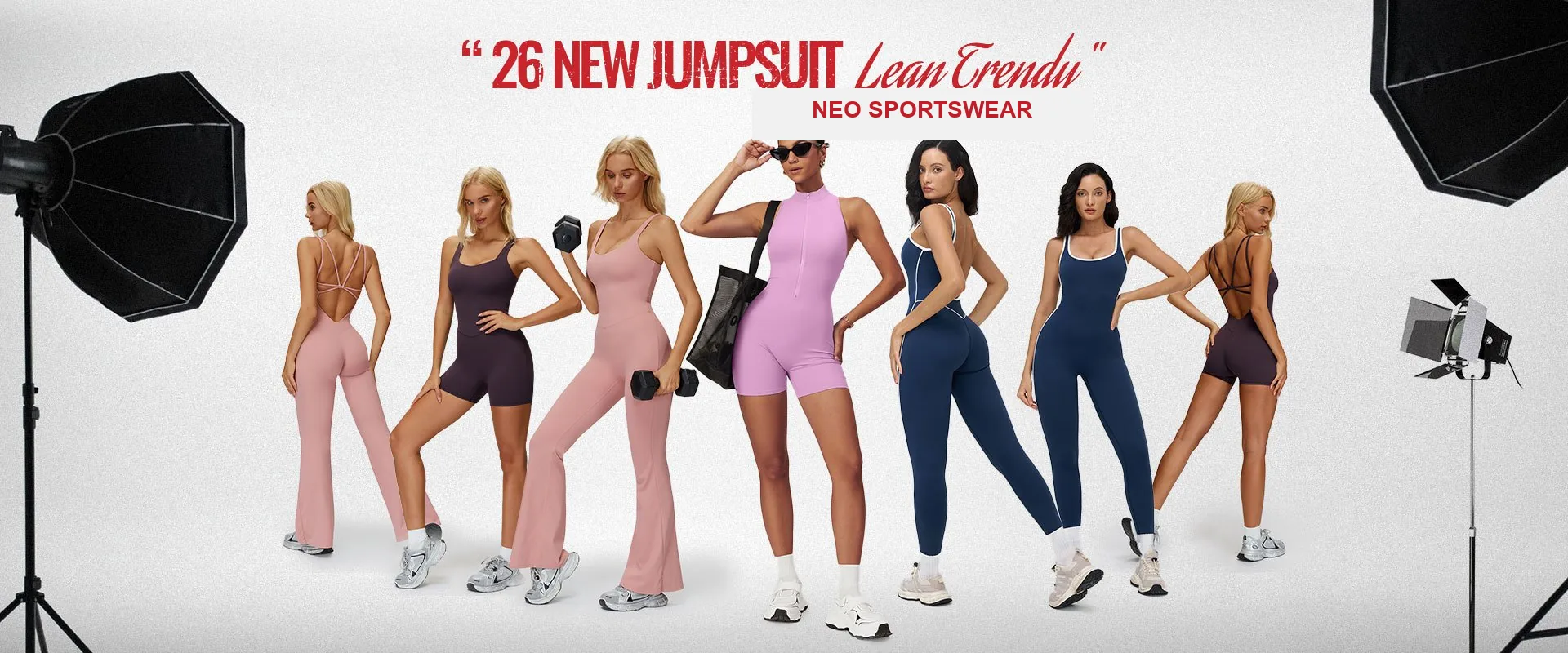
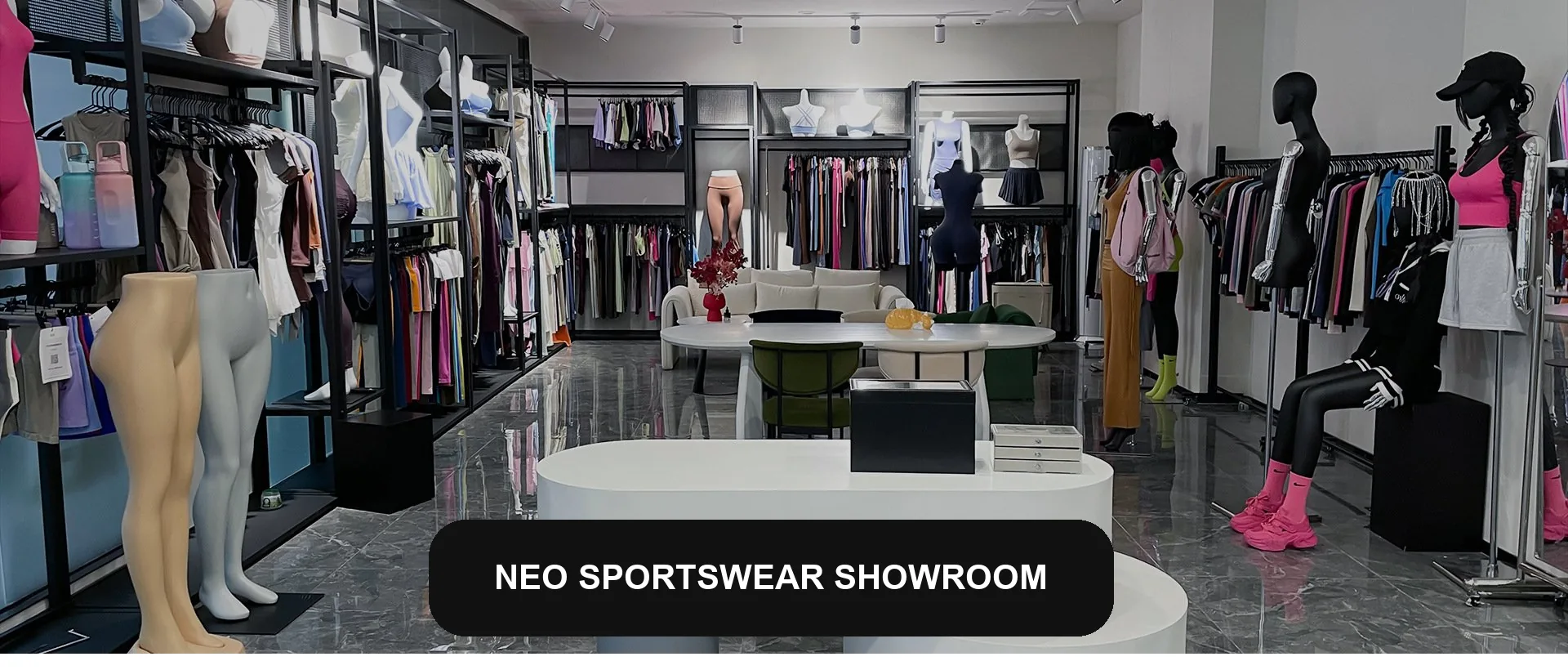
This is where most first real orders sit, and it is what we do: a stocked style in a stocked colour, with your logo added by silicone badge, flat heat transfer, embroidery, digital print or DTG. From 50 pieces per style, sizes and colours mixed, with a physical sample pressed on the real garment and photographed within 72 hours.
What you gain is a branded product that photographs as yours: the logo is on the chest, in the mirror selfie, in the flat-lay. What you do not gain is exclusivity — the silhouette is one we sell to other buyers, in colours that are on a shared card. For a gym, a studio, a dropshipper or a brand testing a category, that trade is usually correct, because the alternative is a six-figure development budget before the first sale.
Tier 3 — full private label: your pattern, your fabric, your label
Real private label starts with a tech pack: measurements, construction details, stitch types, fabric specification, colour references, label and packaging requirements. The factory makes a fit sample, you iterate, then a size set is graded and approved before bulk. Lead time is measured in weeks to months, and minimums are set by the dye lot and the cutting table — typically 300 pieces per colour, often more for a new fabric.
This tier is correct when you have proven demand and a product idea that the market does not already have. It is wrong as a first order, not because factories dislike small runs, but because the development cost lands before any revenue and the failure modes are expensive: a pattern that fits badly, a fabric that pills, a colour that photographs differently from the lab dip.
The sequence that actually works
Across the brands that grow past their first year, the pattern is consistent: start at tier 1 or 2 to prove the product and the channel, then move specific styles to tier 3 once a style has earned it. The stock programme becomes the test lab and the cash-flow engine; custom development becomes the moat.
- Order 1: blanks in two or three styles, shot properly, sold to an audience that already trusts you.
- Order 2: the best-selling style with your logo, 50-100 pieces, enough to lift margin and build recognition.
- Order 3: reorder the hero style at 300+ to bring unit cost down, or take that one style into custom development with a changed hem, neckline or fabric weight.
The order that gets skipped in most failed plans is order 2. Buyers jump from a single blank to a full custom development, discover the pattern needs three iterations, and run out of cash before the product is right. A 50-piece logo run costs a fraction of a development cycle and gets you a sellable, photographable product in two weeks.
How to tell which tier a supplier is really offering
Ask four questions and the tier becomes obvious. What is the minimum per colour? Does the quote include a fit sample, and is it charged? Who owns the pattern? Can I change the fabric weight without a new minimum?
A tier-2 supplier answers "no minimum on blanks, 50 pieces with your logo, sample in 72 hours, pattern is ours, fabric is fixed". A tier-3 supplier answers with dye lot minimums, sampling fees, graded size sets and a development timeline. Neither is lying — but if you are quoted tier-3 minimums while being promised tier-2 speed, you are talking to a trader who will subcontract the work and lose control of the date.
The honest summary
If your problem is "I need a branded product I can sell in three weeks", you want tier 2. If your problem is "the market has nothing like what I want to make", you want tier 3, and you should budget for it properly. Almost nobody's first problem is the second one.
Start with one blank piece, or go straight to a 50-piece logo run — both are open, and both ship with DDP.