Activewear MOQ Explained: What 50 Pieces Actually Buys You
Almost every activewear quote you request comes back with a 300-piece minimum per colour. Here is where that number comes from, what it really protects, and what a 50-piece logo run can and cannot do — so you can plan a first order that tests the market without burning your buy budget.
The first thing to understand is that a factory minimum is rarely about the sewing line. Sewing 50 pieces takes an afternoon; sewing 300 takes three days. Nobody turns down work because the line is busy for one afternoon. The minimum exists because of everything that has to happen before the first stitch, and most of it is charged per colour rather than per piece.
Where the 300-piece minimum actually comes from
Open a dye house price list and the constraint is obvious: a minimum dye lot runs roughly 200-300 metres of fabric, sometimes more for dark shades that need extra rinsing. One metre of a 220 gsm knit yields about three to four garments, so a single dye lot lands somewhere between 600 and 1,200 pieces once you account for cutting waste. If your order is 50 pieces in a colour nobody stocks, someone has to absorb the other 550 pieces of dyed fabric, and no dye house will do that for free.
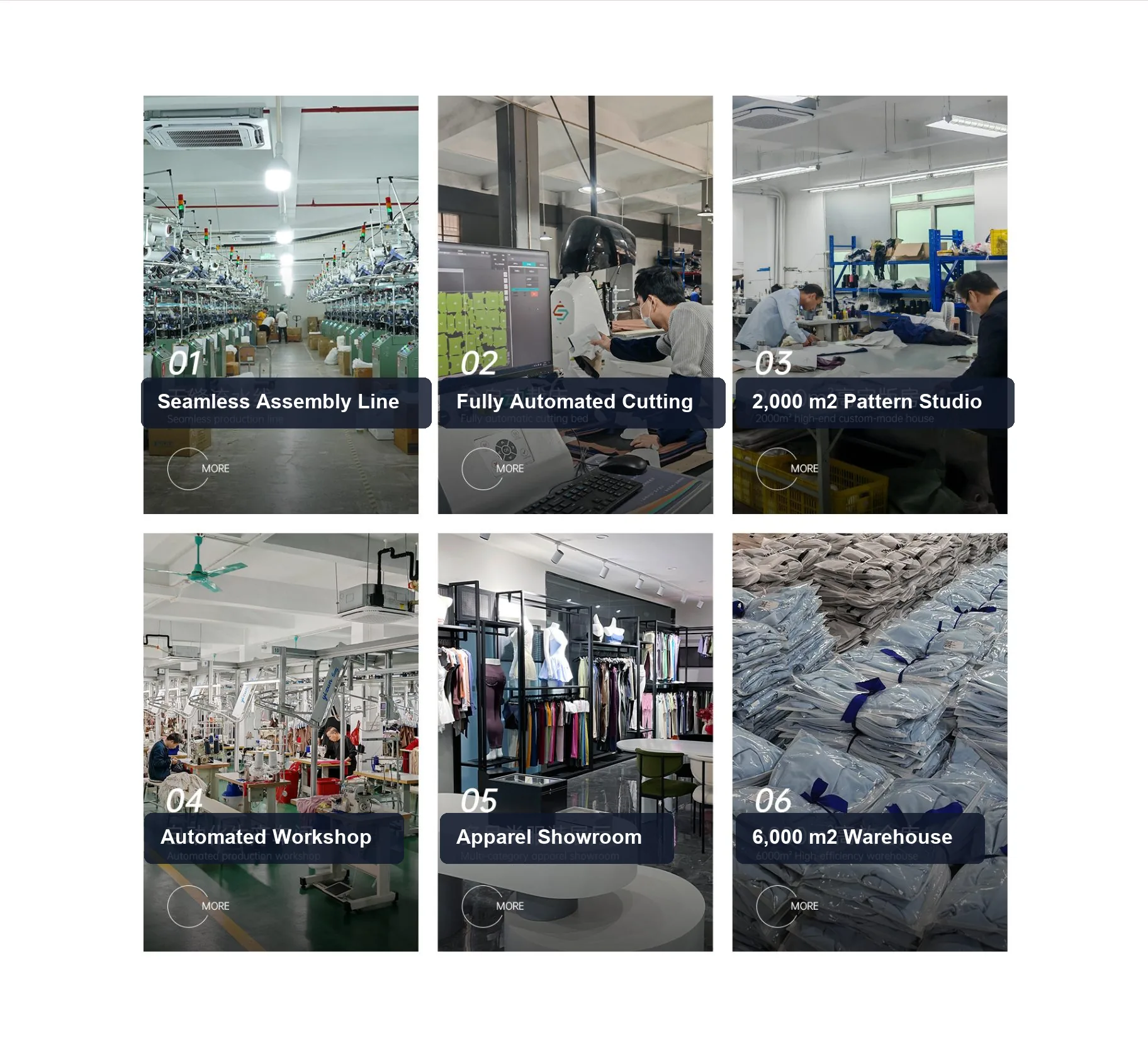
Add the other fixed costs and the picture completes itself: knitting or rolling the fabric, a cutting marker laid for a new pattern, a print screen or transfer film made for your artwork, and a production slot reserved for a run that will occupy a line for days rather than weeks. All of that is setup. None of it scales down to 50 pieces, which is why the industry default is 300 per colour and why buyers are told to "just order more".
The one condition that removes the minimum
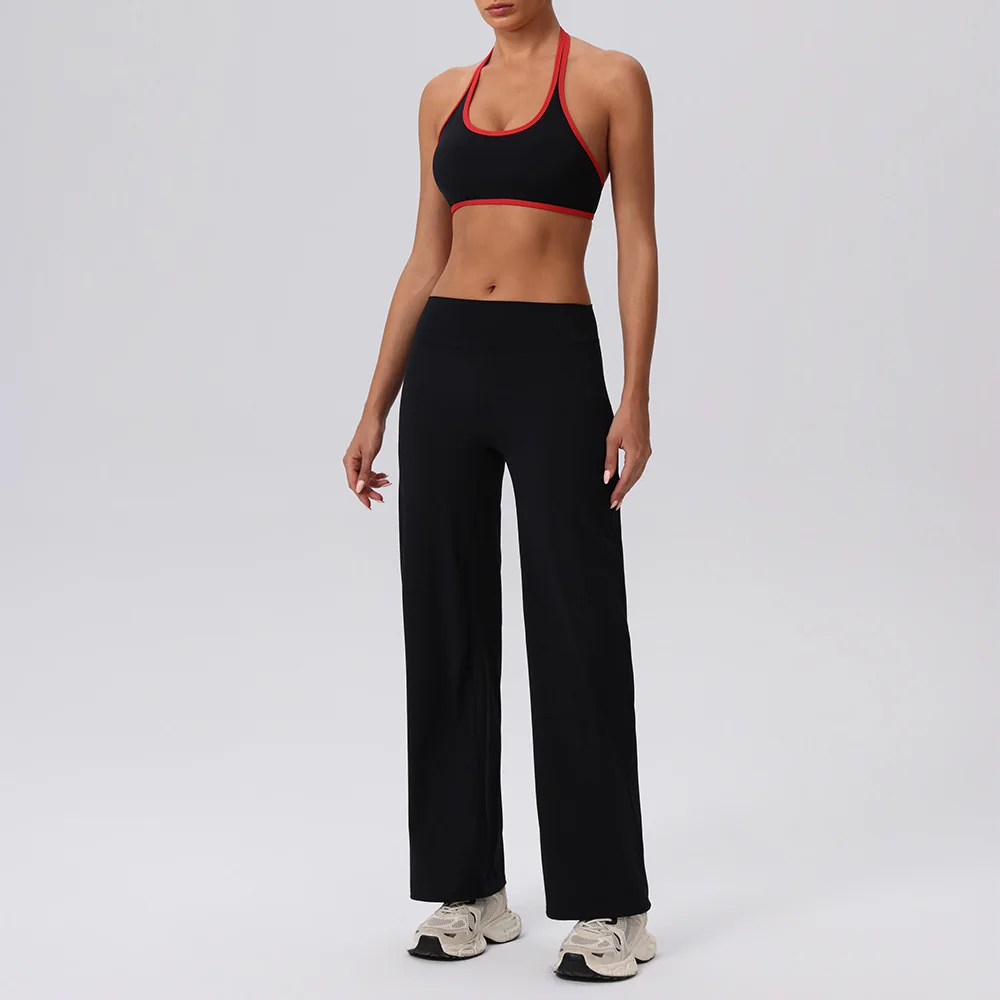
There is exactly one honest way to escape a dye lot minimum: use a colour that has already been dyed. That is the entire logic behind our in-stock programme. The fabric is knitted, dyed and finished before your order exists, in colours we hold deep enough to serve many buyers at once. Your order is a pull from stock, not a production run from yarn.
Because the colour and the fabric are no longer variables, the only thing left to produce is your branding. That is a much smaller operation — cutting a silicone badge, printing a transfer, digitising an embroidery file, pressing and inspecting — and it can be done economically at 50 pieces per style. This is why our terms read the way they do: no minimum on blanks, and logo customization from 50 pieces per style.
What 50 pieces per style covers
"Per style, not per colour" is the detail that matters most when you are planning a range. A 50-piece order can be split across every colourway the style is stocked in, and across every size, at no penalty. If you want to test four colours and three sizes, you can do that inside a single 50-piece run — the price per piece does not change because you mixed it.
- Sizes and colours mixed freely within one style — the 50-piece count is per style, not per SKU.
- All five logo methods available: silicone badge, flat heat transfer, embroidery, digital print and DTG.
- A physical sample pressed on the real garment, photographed within 72 hours before bulk starts.
- AQL 2.5 inspection and photo or video verification of your actual pieces before packing.
- DDP door-to-door shipping as standard, so the price you are quoted is the price you land.
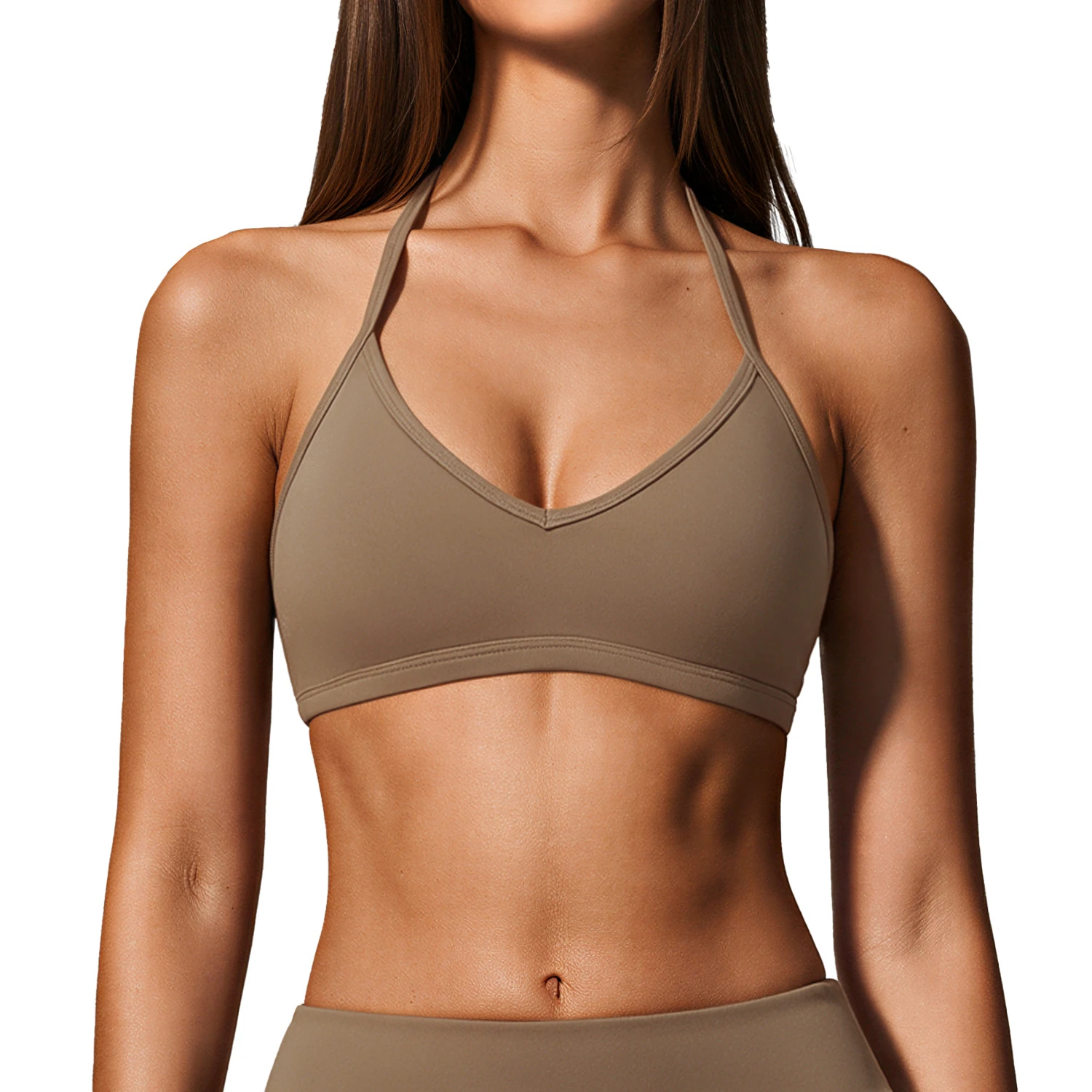
What a 50-piece run honestly cannot do
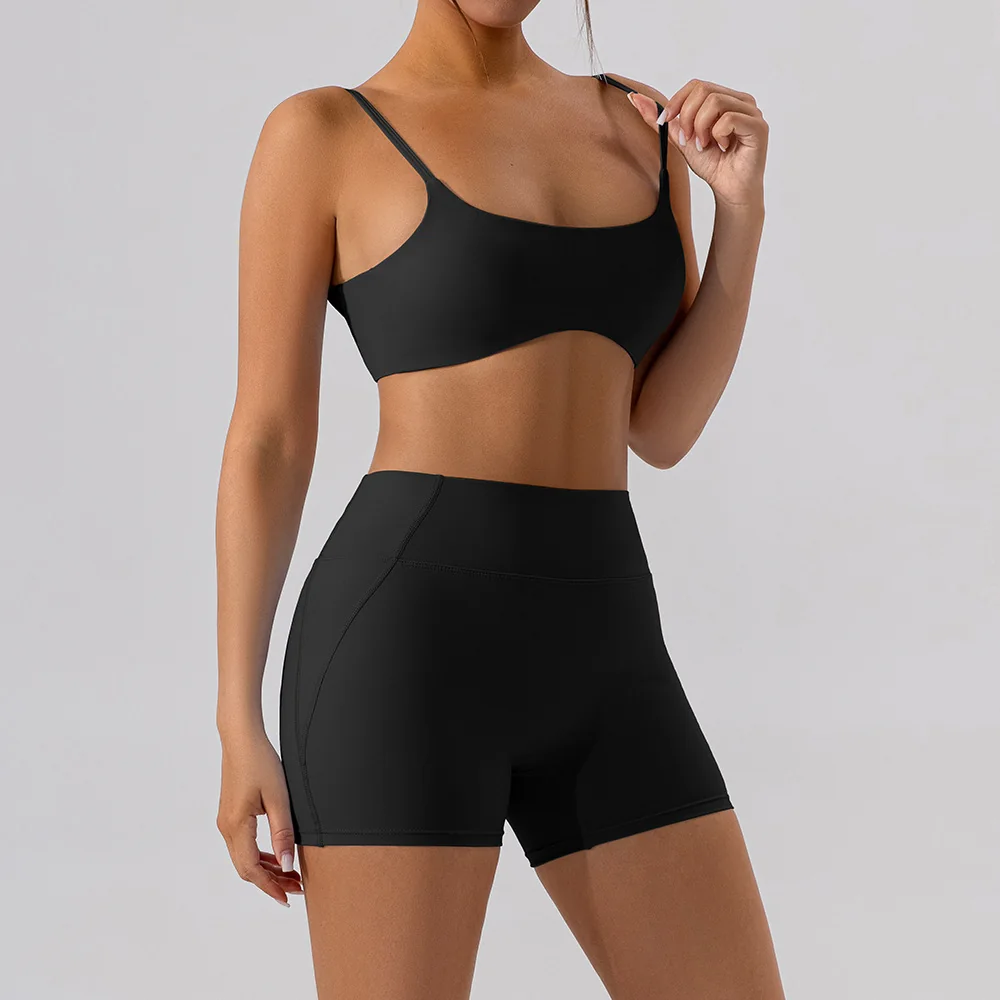
A stock-colour run is not a custom development project, and it is worth being blunt about the difference before you plan a launch. At 50 pieces we can change what is printed or pressed onto a proven garment. We cannot change the garment itself, and we cannot create a new colour.
- No new colour outside the stock card — dying to a Pantone reference starts at a full dye lot, which puts you back at 300+ pieces per colour.
- No pattern changes — hem length, neckline depth and strap geometry are fixed per style. Adjusting them means a new pattern, a fit sample and a graded set of sizes.
- No custom fabric — weight, composition and hand-feel come with the style. If you need a different knit, that is a development order, not a logo order.
If your plan needs all three — your colour, your pattern, your fabric — then you are a custom programme buyer, and the 300-piece minimum is not a sales tactic, it is arithmetic. Plenty of our customers run both: custom development on the main line, stock styles with a logo for the fast, low-risk part of the range.
Why the setup cost matters more than the unit price
Buyers comparing quotes tend to fixate on the per-piece number, but the number that decides whether a test order is worth it is the fixed setup divided by the units you actually sell. A badge mould, a print film and a sample courier cost roughly the same whether you run 50 pieces or 500. At 50 pieces you are carrying that setup on a small base. At 500 you are not.
Which is exactly why the first order should not be treated as a profit exercise. Its job is to answer three questions: does the fit work for your customer, does the colour sell in your market, and does the logo survive the wash and the photograph. Once those are answered, the reorder at 300 or 500 pieces is where the margin lives — and because the style stays in stock, the reorder takes 7-10 days rather than a fresh dye cycle.
Planning a first order that does not waste money
The test orders that go wrong almost always go wrong in the same four ways. Avoid these and a 50-piece run will tell you more than a 300-piece one.
- Do not order one size. A single-size run sells out of that size and leaves you unable to judge the size curve for the reorder. S-M-L-XL in a normal retail split is the minimum useful data set.
- Do not spread 50 pieces over six styles. Eight pieces per style tells you nothing and photographs badly. Two or three styles, enough depth to shoot, is the working formula.
- Keep 20% back for replacements. Studios and gyms will need one size swapped within a fortnight. Hold a buffer instead of placing a second 50-piece order for five units.
- Size the logo for the smallest placement. A mark that reads well at 6 cm across a bra band will look like a billboard on a strap. Approve the sample at the actual final size, not on a screen.
None of this is exotic. It is the same discipline a retail buyer applies to a first season, scaled down to a test budget. And if you would rather start even smaller, blanks ship with no minimum at all — order one piece, feel the fabric, shoot it, then decide whether the logo run is worth doing.
Send us the styles you are considering and we will quote a 50-piece logo run in your sizes and colours — with the 72-hour sample included.