75/25 Nylon-Spandex: What "Squat-Proof" Actually Means
Every activewear supplier claims squat-proof. Almost none of them can tell you how it was tested. Here is what the numbers on a fabric card mean, which ones actually govern whether a legging turns transparent under stretch, and how to check a sample in thirty seconds before you commit to a bulk order.
Start with the composition, because it explains most of the behaviour. 75/25 nylon-spandex means 75% nylon yarn and 25% elastane. The nylon gives the fabric its hand, its opacity and its ability to take dye deeply; the elastane gives it recovery — the memory that pulls the garment back into shape instead of leaving a bagged-out knee by lunchtime.
Why 25% elastane is the number to look for
Mass-market activewear usually sits at 12-20% elastane; cheap "buttery" leggings often sit at 8-12% and rely on a loose knit to feel soft. The lower the elastane, the less the fabric wants to return to its original dimensions, and the faster a garment stretches thin across the seat and thighs — which is exactly where transparency shows up first.
At 25% elastane with a tight interlock construction, the fabric keeps its density under extension instead of opening up. That is the mechanical reason a 75/25 legging stays opaque when a 85/15 legging goes see-through at the same body weight. The composition is doing the work; the marketing claim is just a description of the result.
The test that actually proves opacity
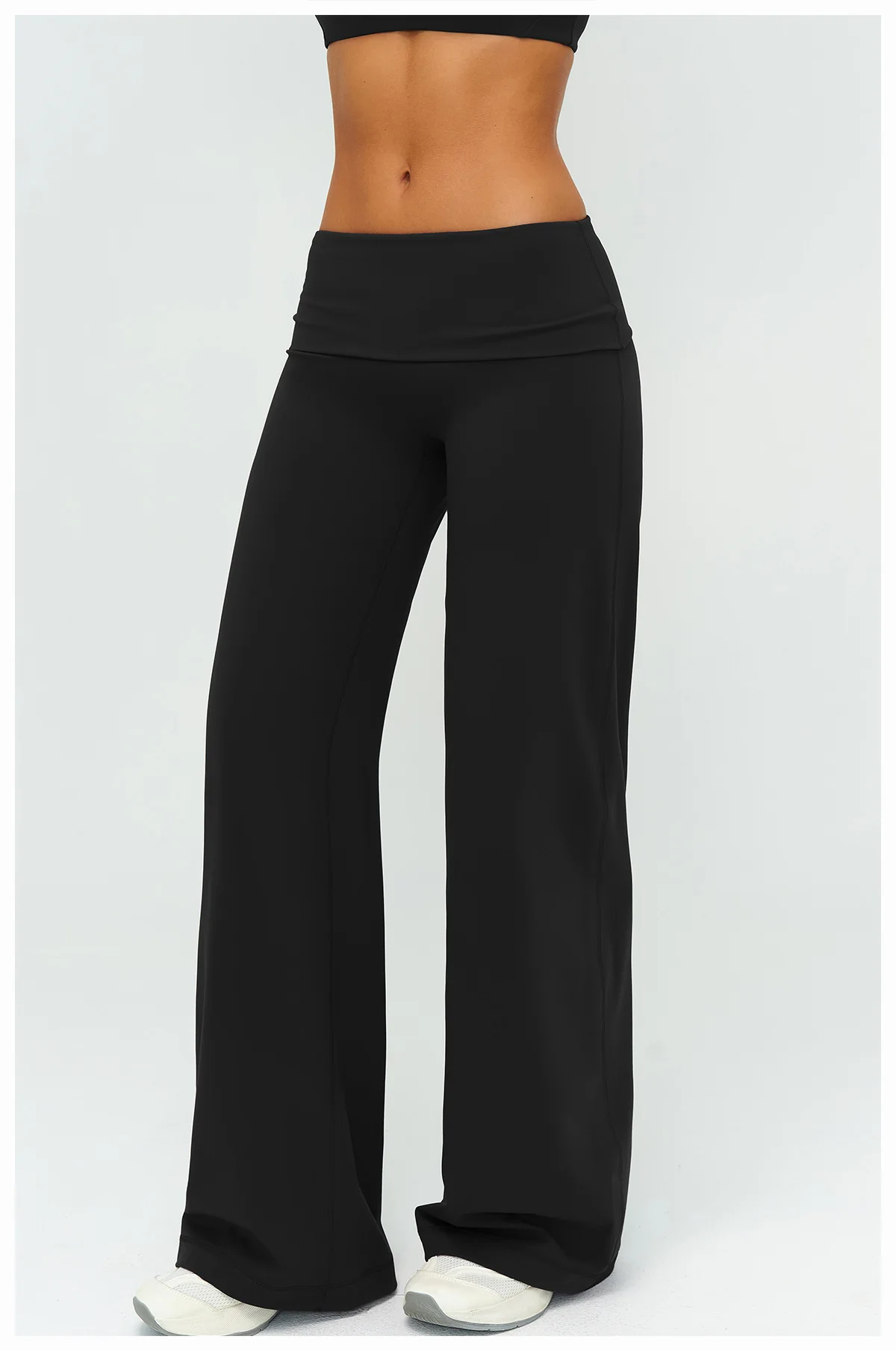
"Squat-proof" is not a standard, so factories define it themselves. The version worth asking for is an elongation test: stretch a leg panel to 120% of its resting width, hold it against a backlight in a dark room, and look for a visible silhouette. If you can see the outline of your hand through the panel at that extension, the fabric will show through on a moving body at the bottom of a squat.
You can run a rough version of this yourself on any sample in thirty seconds: grip the thigh panel with both hands, pull it to roughly a fifth wider than it sits, and hold it up to a window. Do it on the darkest colour you plan to sell, not the lightest — dark shades hide everything on a screen and reveal everything in a studio. Do it on the seat panel too, because a fabric can pass at the thigh and fail where the knit is stretched across two curves at once.
Reading the rest of the fabric card
Composition is the headline, but four other specifications decide whether the garment survives a season of washing and whether your customers describe it as "good quality" in a review.
- Weight, in gsm. 220-260 gsm is the working range for leggings: heavy enough to hang cleanly and resist show-through, light enough to stay cool. Below 200 gsm a legging starts to feel like swimwear; above 280 gsm it fights the wearer at the knee.
- Stretch direction. Four-way stretch means the knit recovers along both warp and weft. Two-way stretch garments twist at the hip after a few washes, and no amount of pattern correction fixes it.
- Colour fastness. Ask for the wash-fastness rating on the darkest shade you order. A 4-5 rating holds through repeated home washing; a 3 rated black bleeds onto the white towel in your customer's gym bag and comes back as a refund request.
- Finishing. "Naked feel" is a cool, powdery hand from a fine-gauge knit; "brushed" is a suede touch from a double-brushed surface. They are different fabrics with different care needs — brushed pills faster if washed hot.
What the fabric decides for you
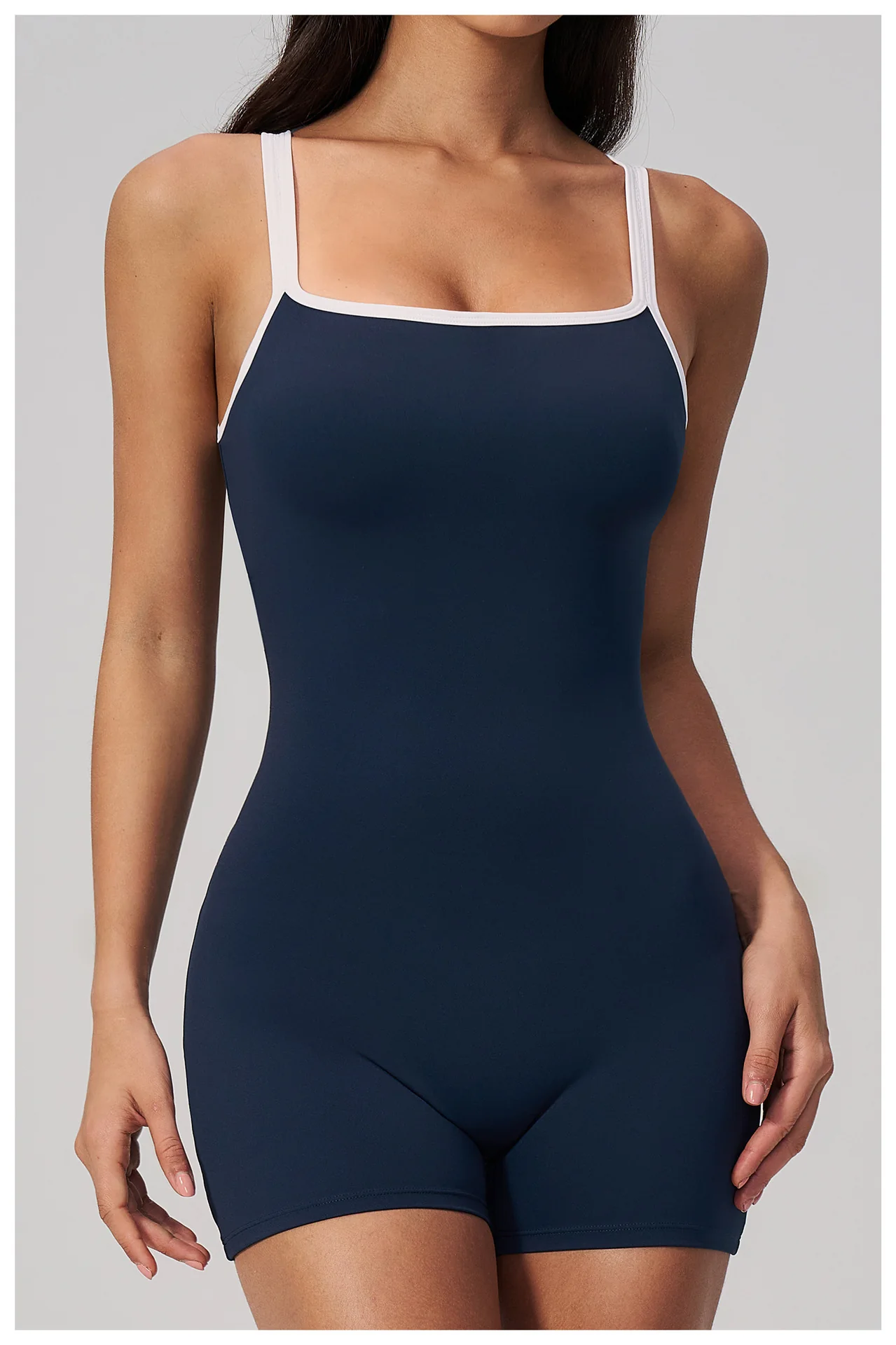
Fabric choice is not only a quality decision; it constrains what you can sell. A tight 75/25 interlock takes silicone badges and flat transfers well because the surface is dense and dimensionally stable. It is less forgiving with large embroidery, where the stitch density fights the stretch and the panel puckers. Deep-dye shades hold their colour but show every surface variation, so a heat transfer needs a flatter press than on a light shade.
That is why the logo method and the fabric should be decided together, not sequentially. If your brand mark is a large multi-colour graphic, a digital print into a brushed knit will look better than a badge fighting the pile. If it is a small chest mark on a naked-feel legging, a 3D silicone badge reads as premium and survives forty washes. We run all five methods on the same stock fabric, so the comparison is a sample decision rather than a sourcing project.
Care instructions that prevent the refund
Most complaints about activewear quality are care failures dressed up as manufacturing faults. Elastane degrades in heat — a 60°C wash and a tumble dryer will kill recovery long before the seams fail. Chlorine attacks elastane outright, so a customer who swims in a legging will see it go slack in weeks, whatever the composition.
Print these four lines on your care label and your return rate drops: wash cold at 30°C, no fabric softener (it coats the elastane and kills wicking), do not tumble dry, do not iron the print. If you are ordering with your own branding, we can print a custom care label as part of the same logo run.
Want to feel the fabric before deciding? Blanks ship at any quantity — order one set, run the stretch test yourself, then plan the logo run.